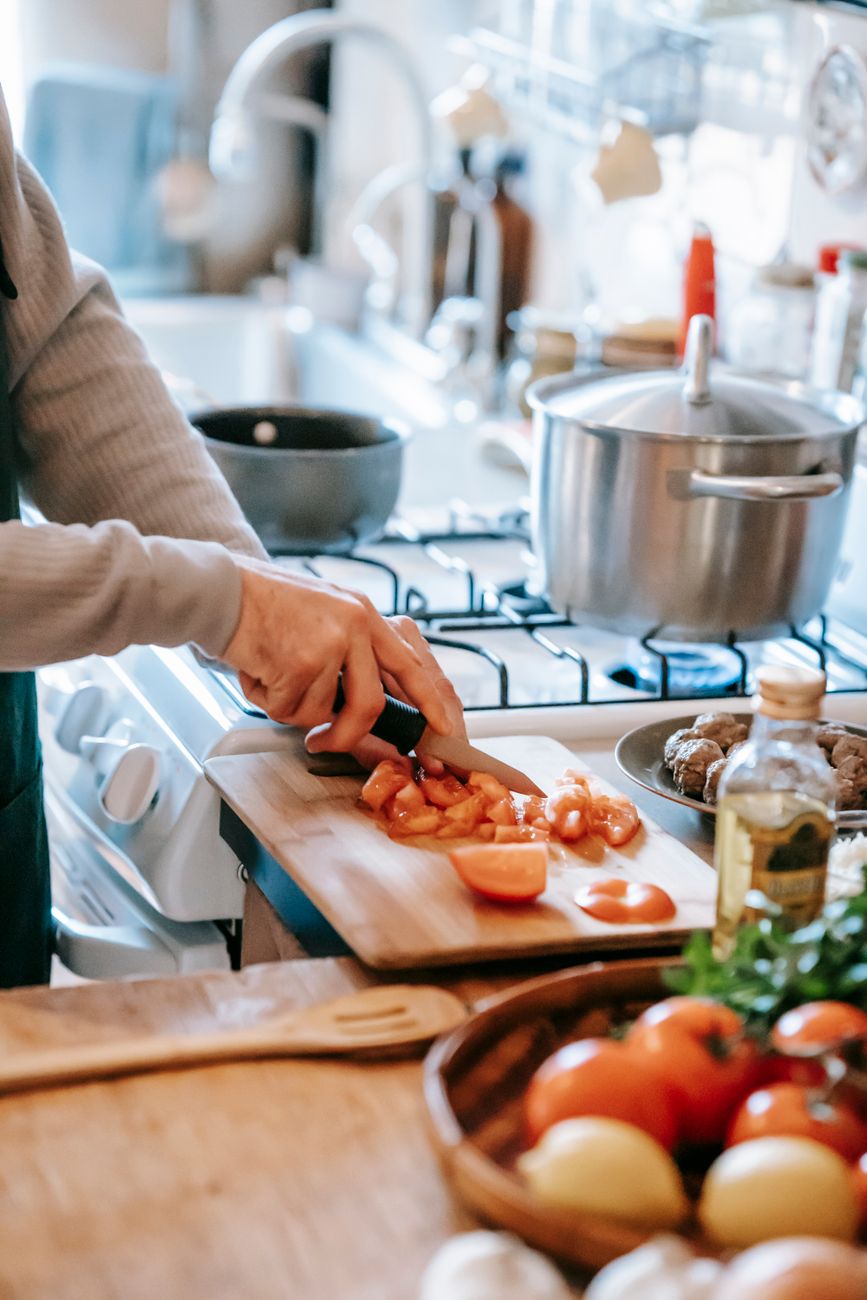
Functional cooking is becoming a major trend in home kitchens. Instead of focusing solely on flavor or convenience, people are choosing ingredients that support specific health goals—gut health, energy, immunity, mood, and longevity.
This shift isn’t about restriction. It’s about intention. Functional cooking encourages people to think about how ingredients interact with the body. Fermented foods support digestion. Leafy greens support cellular health. Spices like turmeric and ginger reduce inflammation. Whole grains support sustained energy.
One of the most exciting aspects of functional cooking is how accessible it is. You don’t need exotic ingredients or complicated recipes. You just need awareness. A simple bowl of oats becomes functional when topped with berries, nuts, and seeds. A basic soup becomes functional when enriched with herbs and mineral‑rich vegetables.
Functional cooking also encourages creativity. People experiment with textures, colors, and combinations that feel nourishing. Meals become rituals—small acts of care that support long‑term well‑being.
Wellness has become a crowded space filled with routines, supplements, trackers, and productivity‑driven habits. But a counter‑movement is emerging—one that prioritizes slowness, presence, and self‑permission over optimization. It’s called slow wellness, and it’s reshaping how people think about health.
Slow wellness isn’t about doing less; it’s about doing what matters with intention. It rejects the idea that health is a checklist and instead embraces the idea that health is a relationship—one built through listening, adjusting, and honoring the body’s signals.
The movement began as a response to burnout culture. People were exhausted not just from work, but from the pressure to “perform” wellness. The constant push to meditate daily, hit 10,000 steps, drink green juice, and maintain perfect sleep hygiene became overwhelming. Slow wellness asks a simple question: What if wellness felt nourishing instead of demanding?
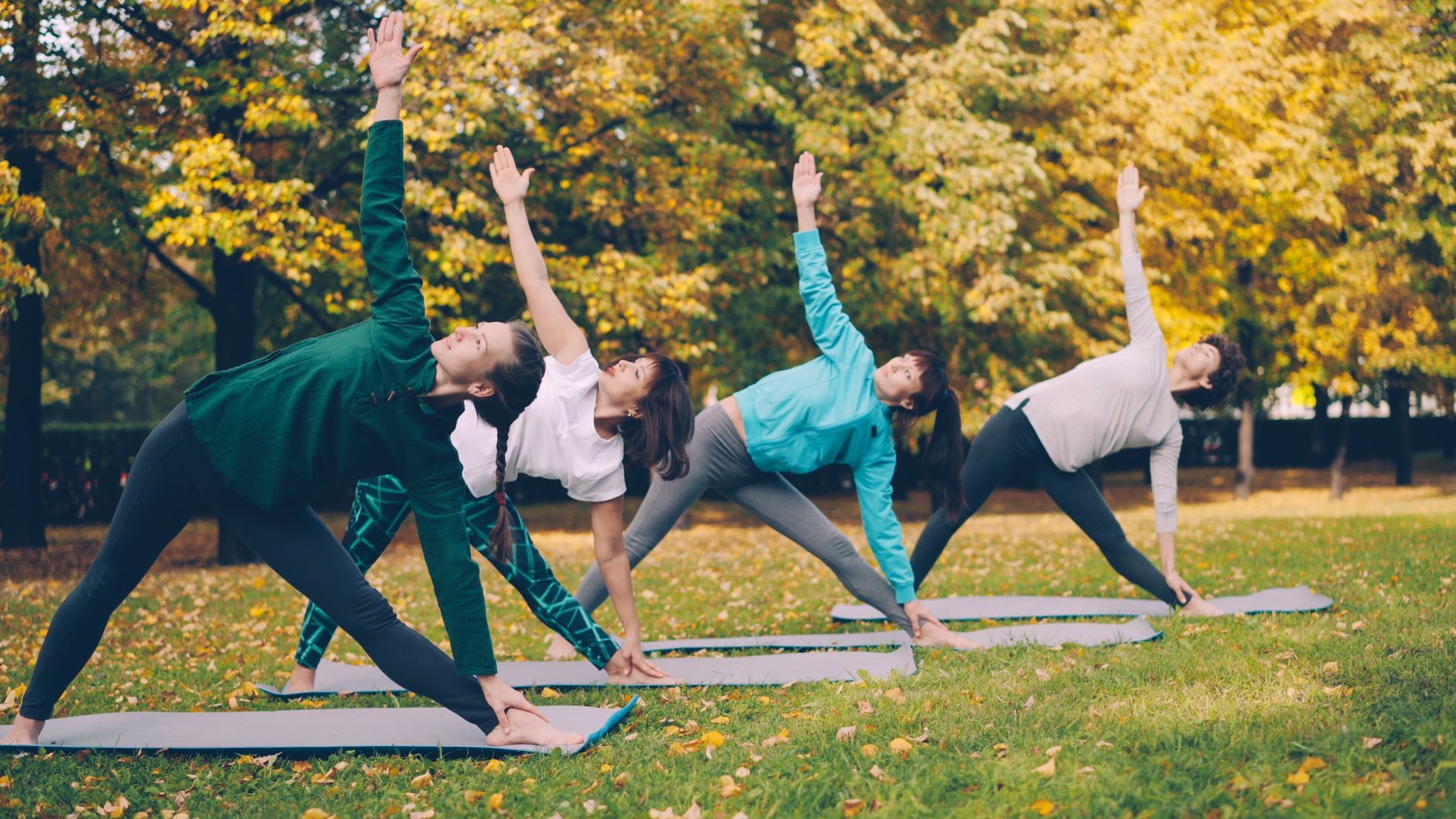
One of its core principles is nervous system awareness. Instead of forcing routines, slow wellness encourages practices that regulate the body’s stress response. This might look like breathwork, gentle stretching, slow walks, or simply pausing before reacting. These micro‑moments of regulation accumulate, creating a foundation of calm that supports long‑term resilience.
The most transformative aspect of slow wellness is permission.
Another principle is seasonal living. Slow wellness recognizes that energy fluctuates throughout the year. Winter may call for rest and reflection, while spring invites movement and creativity. Instead of rigid consistency, the focus is on alignment.
Taking care with nutrition
Nutrition also shifts under this philosophy. Instead of strict diets, slow wellness encourages intuitive eating—choosing foods that feel supportive rather than performative. Comfort foods aren’t demonized; they’re understood as emotional nourishment.
Give rest an important place in your life
The most transformative aspect of slow wellness is permission. Permission to rest. Permission to say no. Permission to change routines. Permission to be human. When people stop treating wellness as a competition, they begin to build habits that actually last.